

<p>Equipment Storage</p>

Equipment Storage

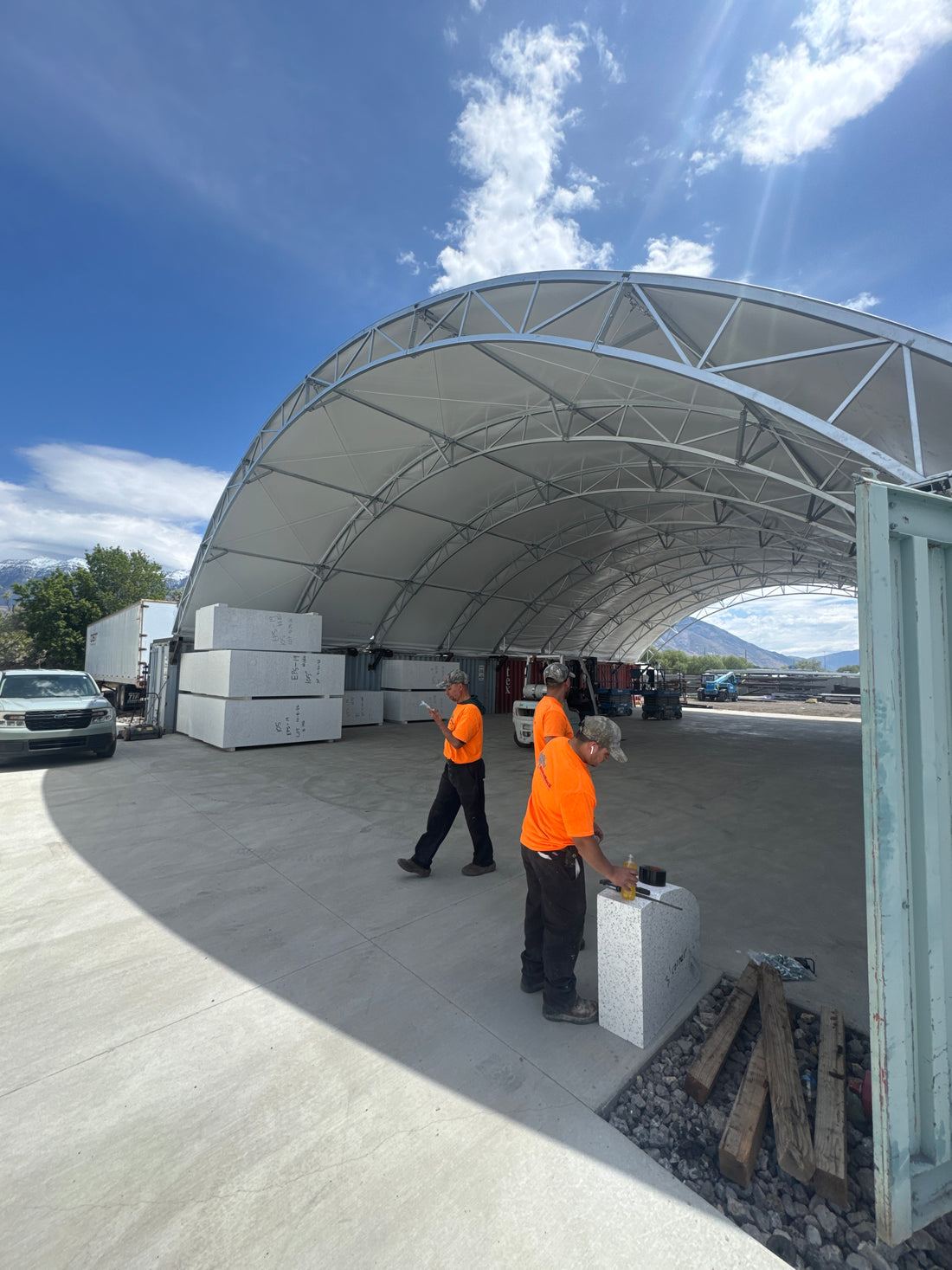
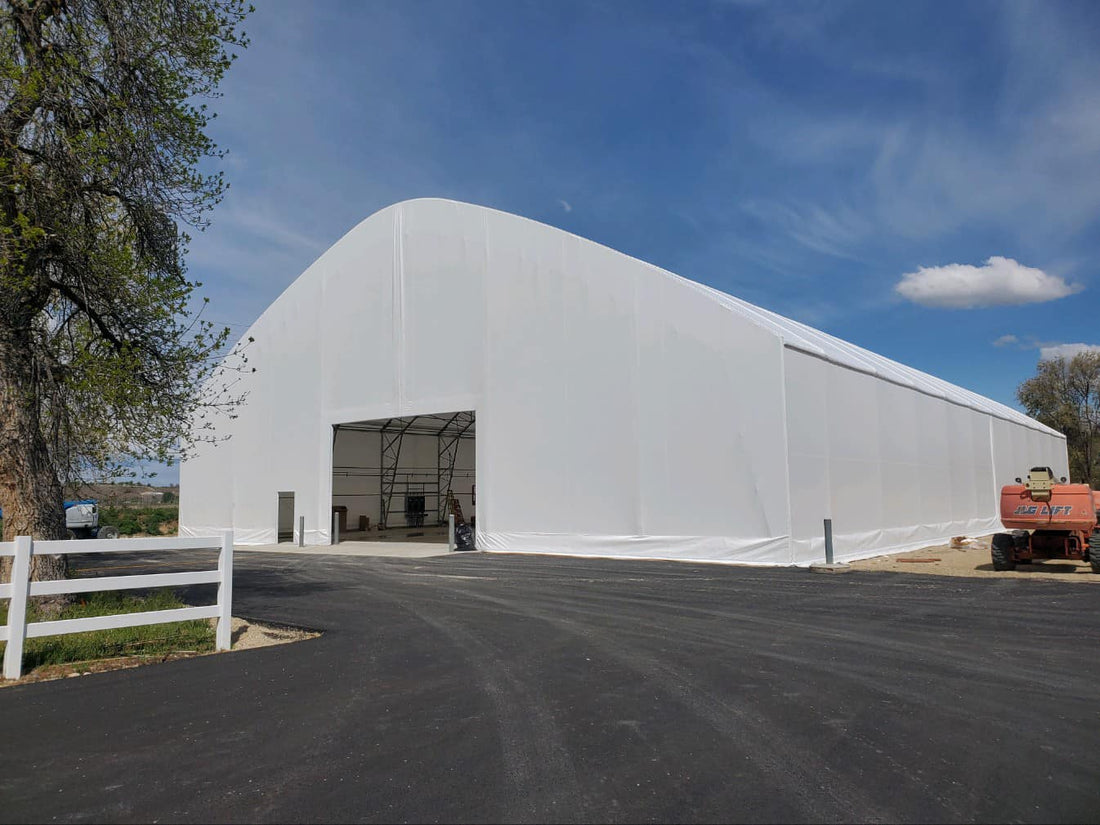
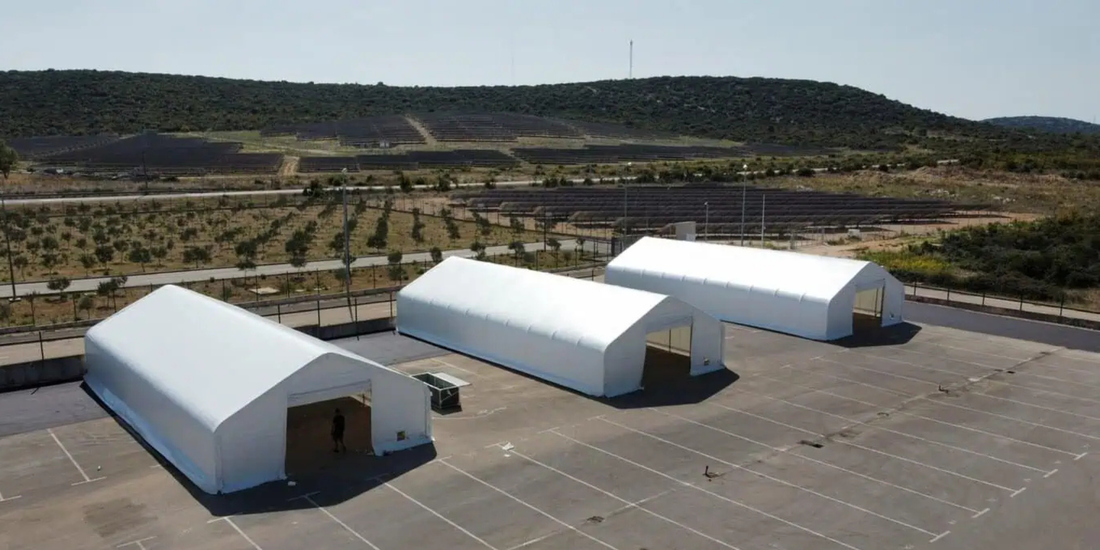
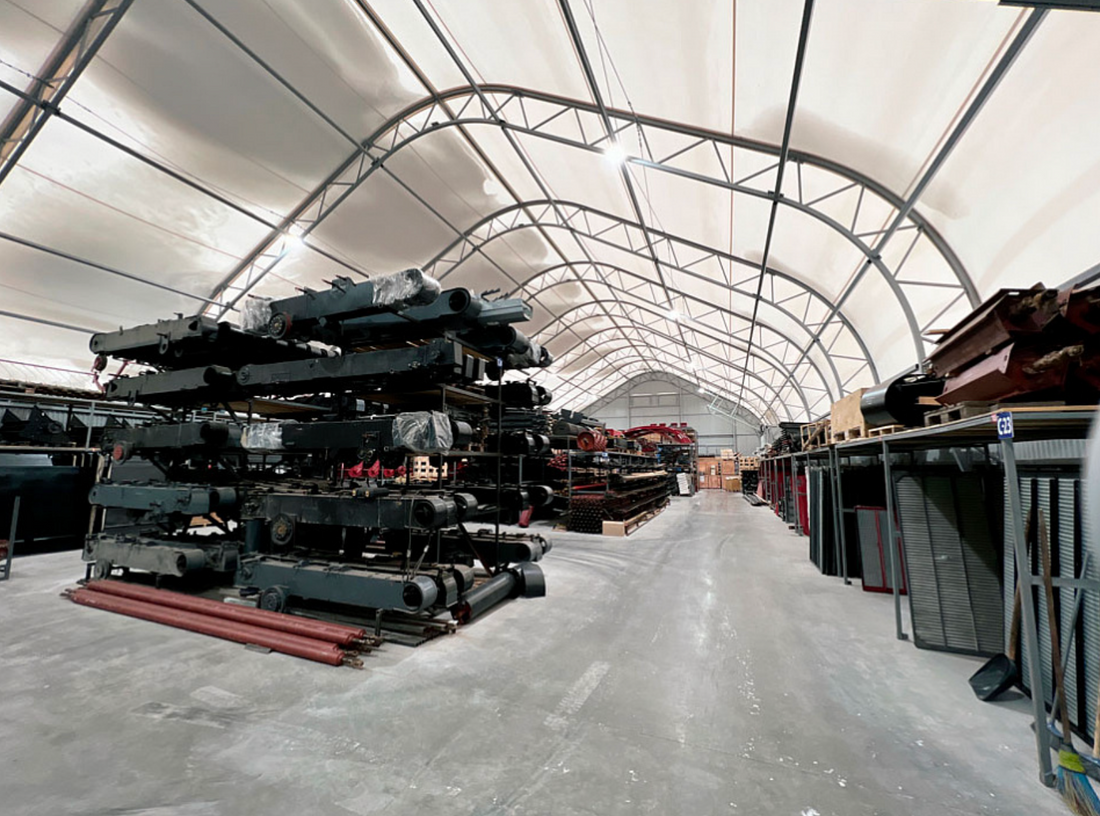
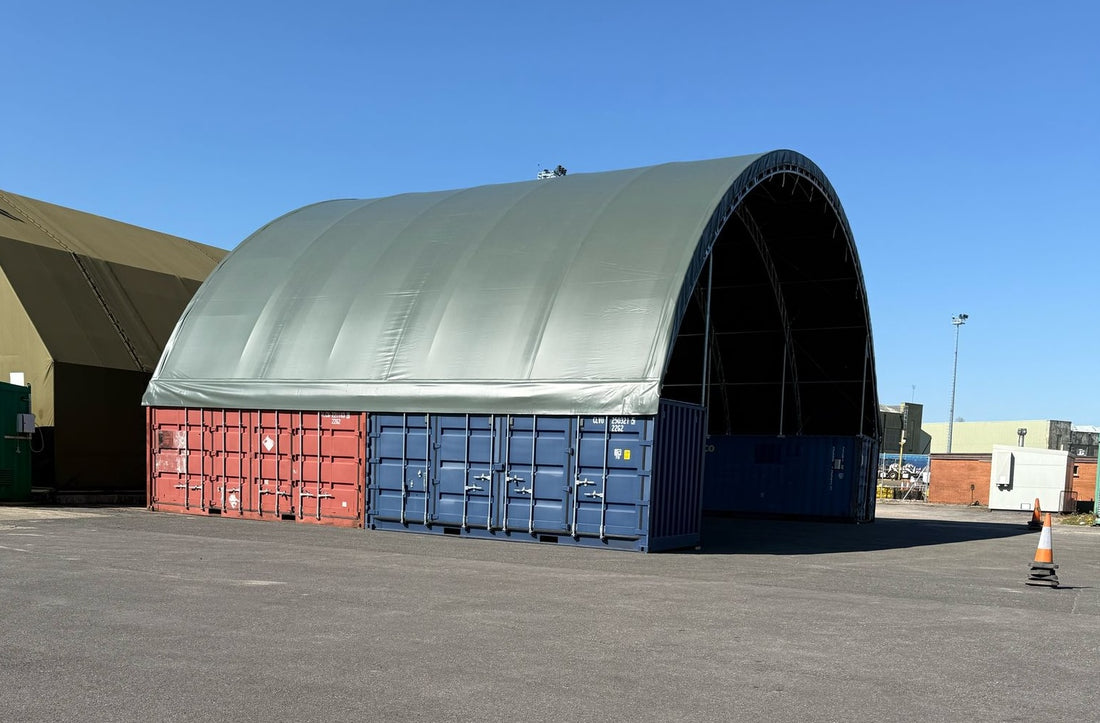
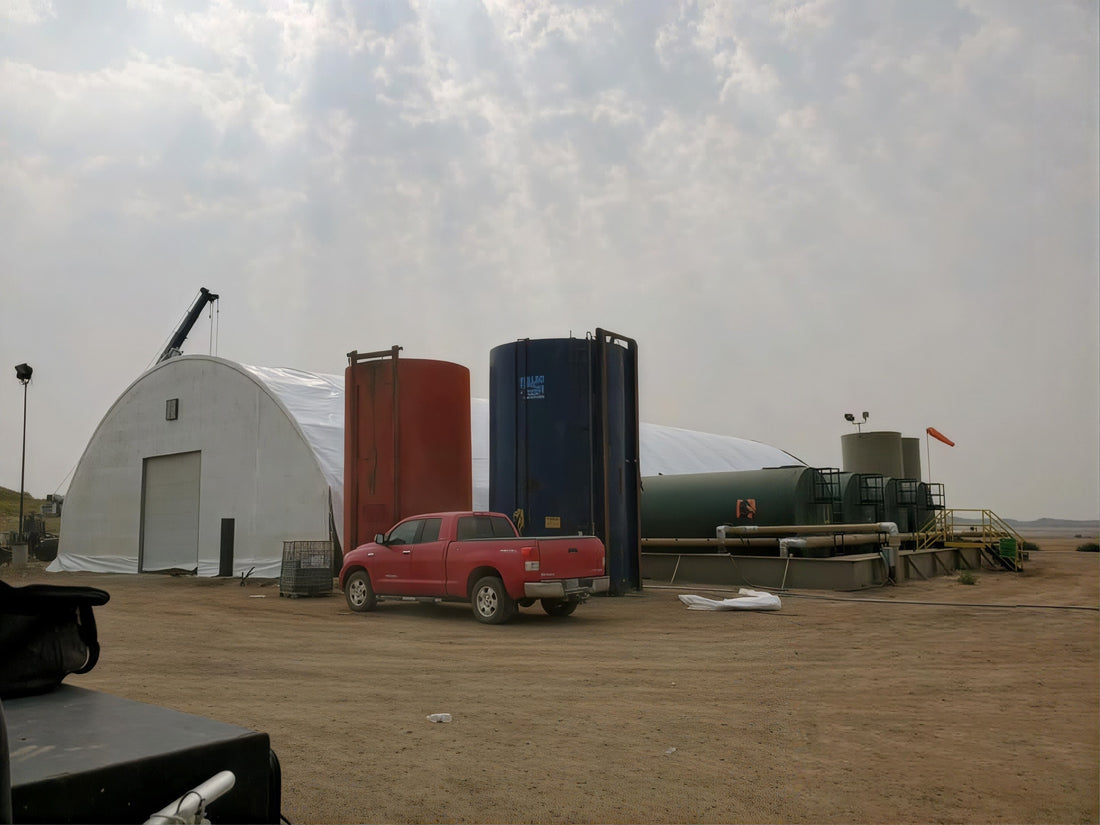
Sheltirx™ equipment storage buildings provide covered space for industrial machinery, tools, attachments, spare equipment and other operational assets. We configure each building around equipment dimensions, storage arrangements, retrieval methods, handling requirements and site conditions.

Dedicated Storage for
Industrial Equipment

Industrial equipment often occupies valuable floor space when it is not in active use. Spare machinery, seasonal equipment, tools, attachments and project assets may be distributed across production areas, outdoor yards or temporary storage locations.

A dedicated equipment storage building can provide a defined location for these assets while helping keep operational areas available for their primary work.

Arrange Equipment
for Easy Retrieval

The storage layout should reflect how equipment is collected, returned and moved. Frequently used assets may need convenient access, while reserve equipment can occupy other designated positions.

Record equipment dimensions, weights, lifting points and any attachments that affect its storage footprint. Allow room for access, handling, inspection and removal without moving several other assets.

Some equipment may be stored on skids, pallets or purpose-built stands. Other items may require floor positions, shelving or specialized supports. The storage system should suit the equipment rather than forcing every asset into the same arrangement.

Plan aisles and maneuvering space around the handling equipment. Forklifts, cranes, lifting devices and other methods have different clearance and load requirements. Confirm the handling approach before finalizing building dimensions.

Protect Assets
During Storage

Covered storage can reduce direct exposure to rain, snow, wind and sunlight. This can be useful for equipment that would otherwise remain outdoors between operating periods.

However, protection requirements vary. Electrical equipment, precision machinery, hydraulic components and sensitive instruments may need specific temperature, humidity or moisture controls.

Assess the condition in which equipment enters storage. Wet, contaminated or recently operated machinery may require cleaning, drying, inspection or preparation before being placed in a storage area.

Longer storage periods may also require preservation procedures, periodic inspections, protective packaging or rotation. These measures depend on manufacturer guidance and the equipment's condition.

Plan Equipment Handling
and Asset Control

Equipment storage is easier to manage when every asset has an identified location. Marked storage positions, asset labels and inventory records can help teams find equipment and track its movement.

Consider the process for receiving, inspecting, issuing and returning assets. Items awaiting repair, inspection or disposal may require separate holding areas to avoid confusion with ready-to-use equipment.

For equipment shared between departments or projects, access arrangements should reflect how the assets are managed. Controlled access, designated collection points and clear circulation routes may be useful depending on the operation.

Keep storage areas arranged so that access routes, emergency exits and designated safety zones remain clear.

Configure Equipment
Storage Around Your Site

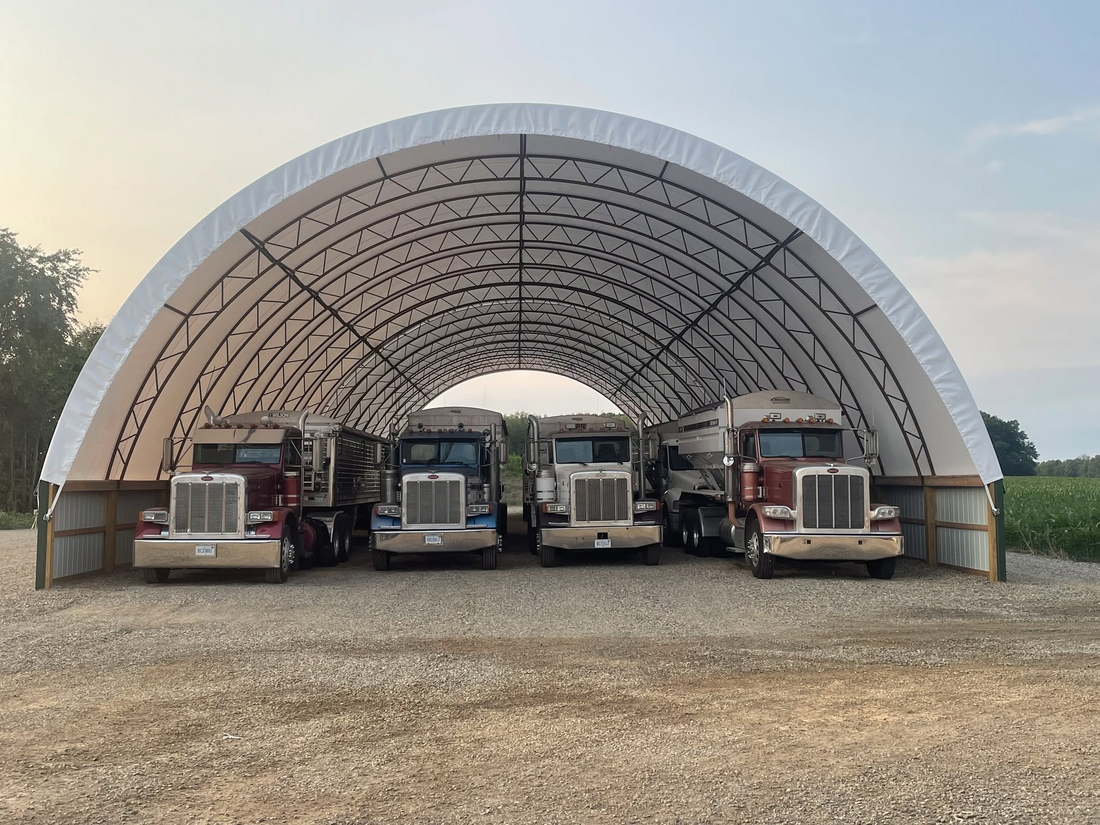
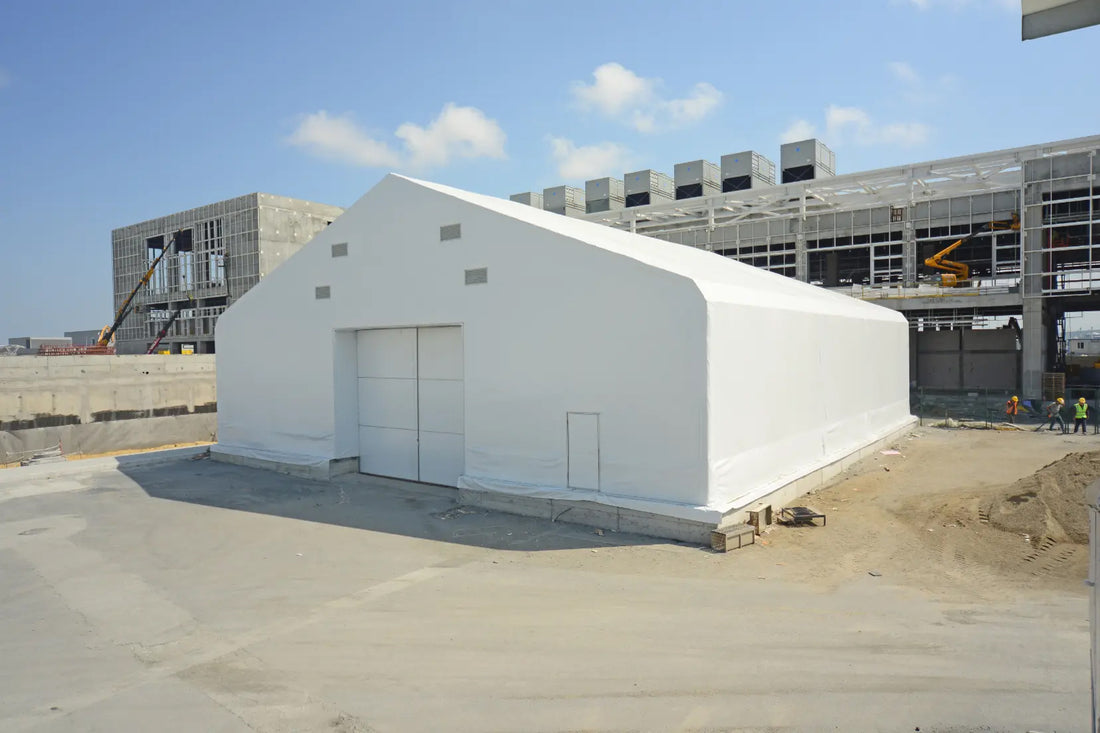
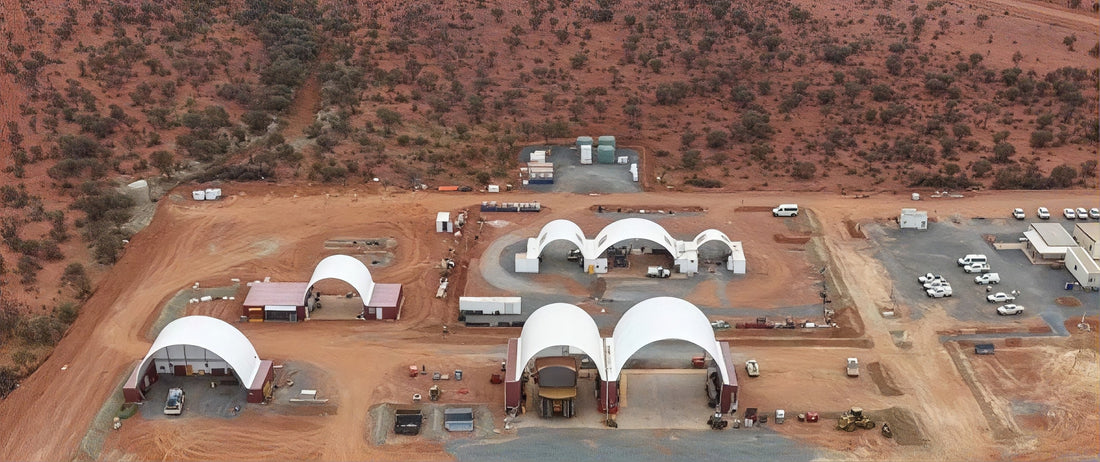
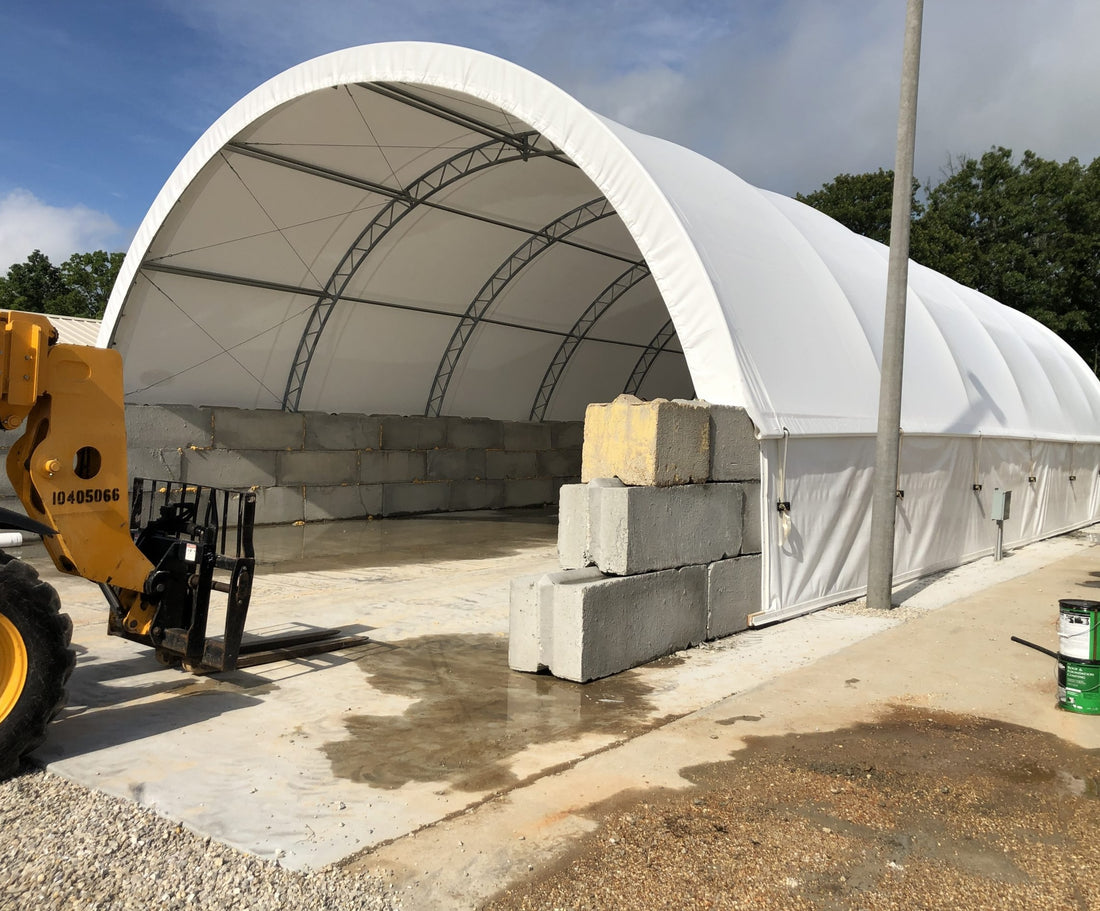
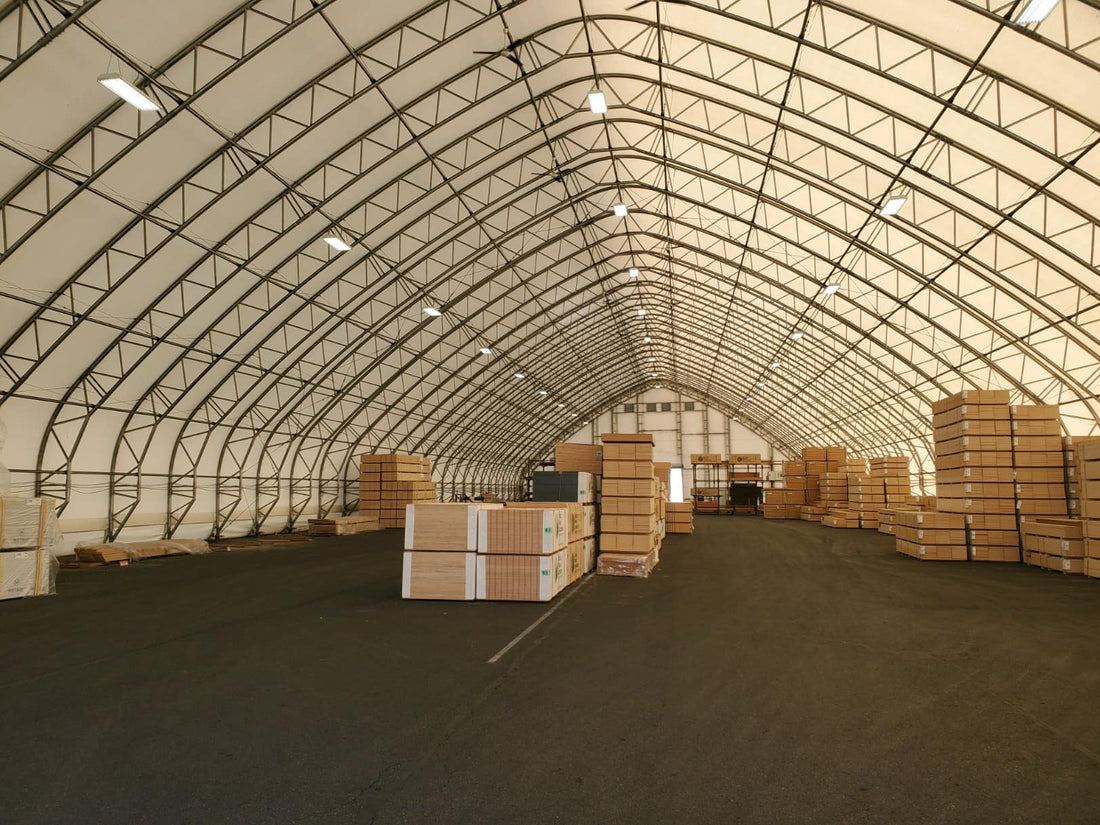
Sheltirx™ fabric buildings can be configured around equipment dimensions, storage methods, access openings and handling needs. Clear-span interiors may provide flexibility for equipment positioning without internal support columns occupying the storage floor.

Our structures use hot-dip galvanized steel framing and can be engineered around applicable wind and snow loads, foundations, anchoring and local building requirements.

Building height, door dimensions, floor provisions, lighting, ventilation and enclosure should be assessed against the equipment and storage conditions. Site access, drainage and delivery arrangements should also be reviewed.

Explore Sheltirx industrial storage buildings or review our fabric building options.

Create a Dedicated
Equipment Storage Area

Tell us which assets you need to store, their dimensions and weights, expected storage volume, retrieval frequency, handling equipment and site location. Sheltirx™ can help configure an equipment storage building around your operational needs.

Frequently Asked Questions

What equipment can equipment storage buildings accommodate?

They can be planned for industrial machinery, tools, attachments, spare equipment and other suitable operational assets.

How should equipment be arranged inside the building?

Layout depends on asset dimensions, retrieval frequency, handling methods, access clearances and storage procedures.

Can equipment be stored for extended periods?

Potentially, subject to suitable storage conditions and any preservation, inspection or maintenance procedures required for the assets.

Can the building provide environmental protection?

The enclosure can be selected according to exposure and storage requirements. Sensitive equipment may need additional environmental systems.

What floor requirements should be considered?

Equipment weight, point loads, handling equipment, lifting arrangements, anchoring and foundation conditions should be reviewed.

What information is needed for a quote?

Provide equipment categories, dimensions, weights, quantities, handling requirements, access needs and site location.